


Why Does Water Come Out of Yogurt?
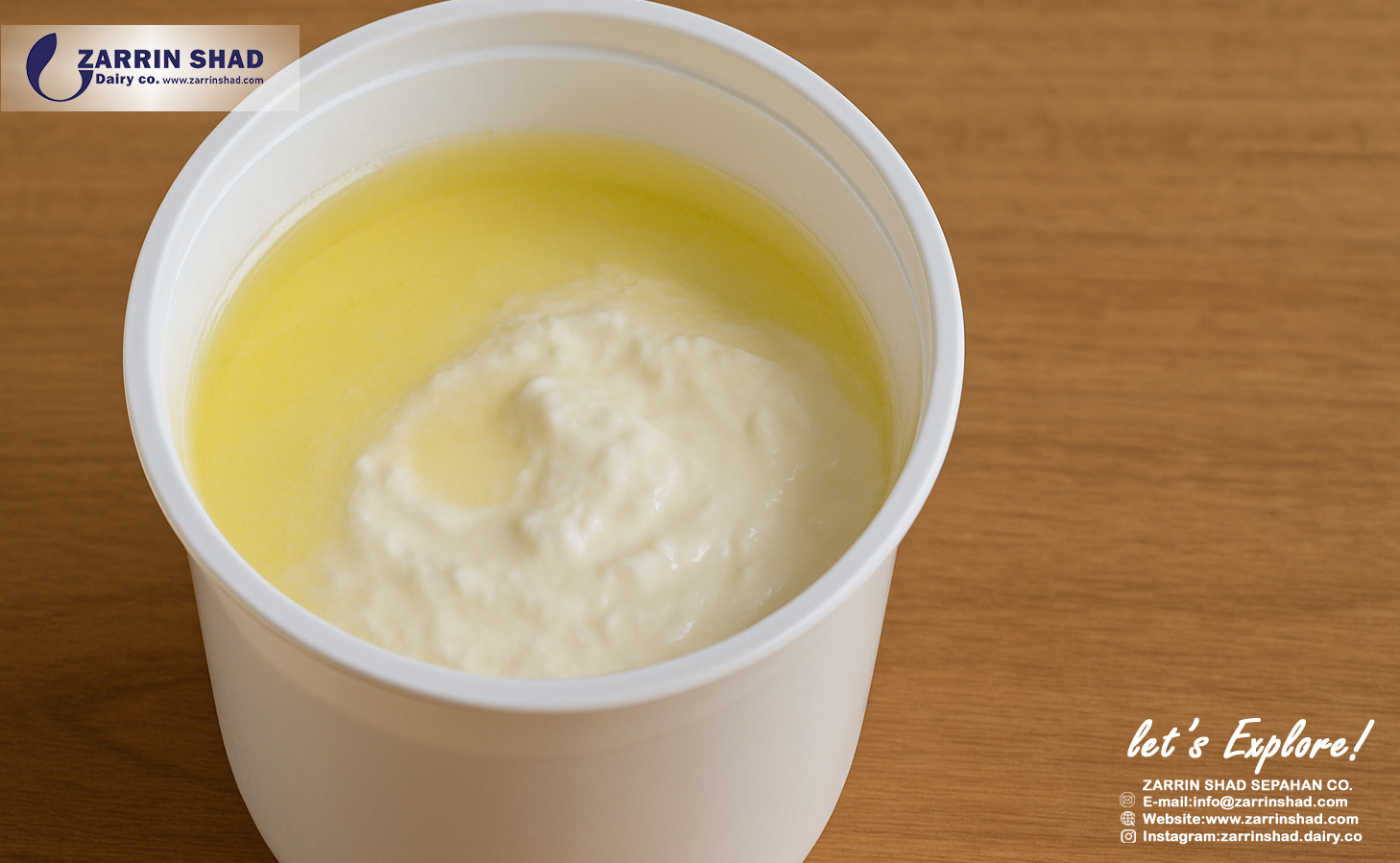
Yogurt, produced by the lactic acid fermentation of milk, is a popular dairy product consumed around the world. It is valued not only for its nutritional benefits, such as high protein and probiotics, but also for its texture and mouthfeel. However, one common and often misunderstood issue in yogurt is the appearance of a watery layer on top—this is known as whey separation or syneresis.
The Science Behind Whey Separation
Yogurt is essentially a gel made up of milk proteins—mainly casein and whey proteins—that form a three-dimensional network capable of trapping a significant amount of liquid. During fermentation, as the milk’s pH drops due to the production of lactic acid, casein proteins begin to coagulate, forming a gel structure. This structure traps the whey, the liquid portion of milk.
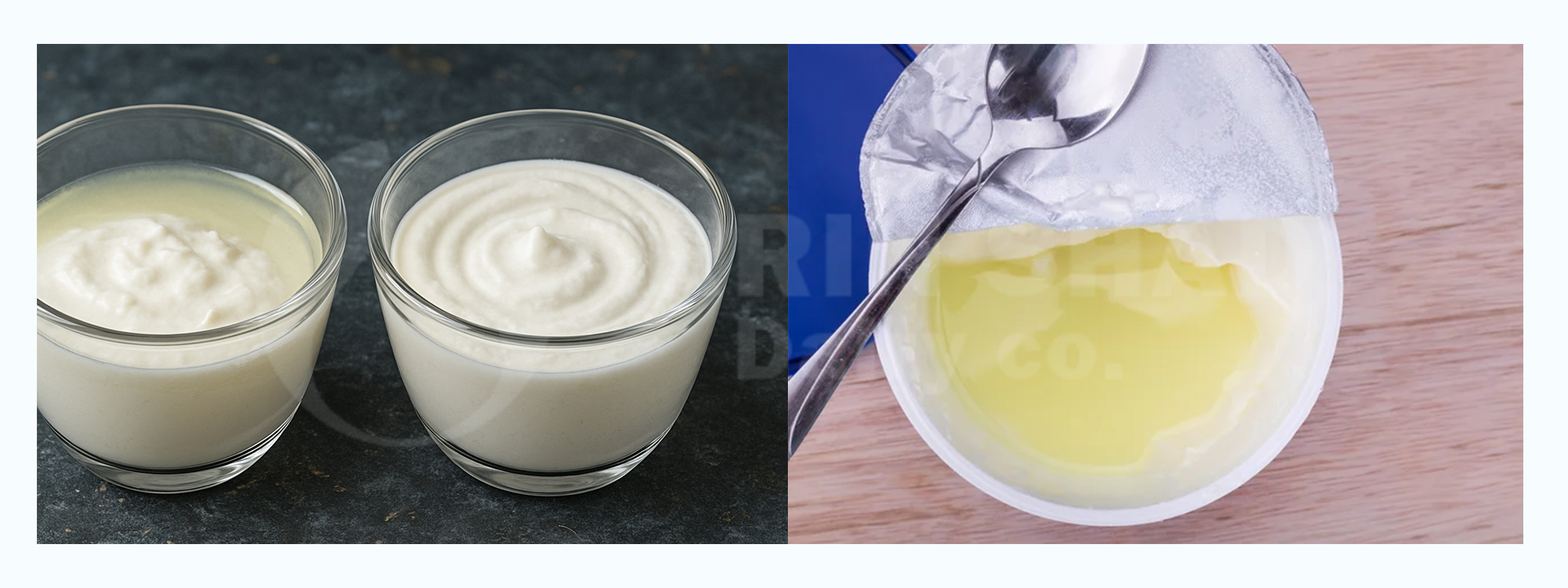
However, due to various factors such as mechanical stress, weak gel formation, or storage conditions, the network may not be stable enough to retain all the liquid. As a result, the whey separates and pools at the top of the container. While this is a natural and harmless process, it can be perceived negatively by consumers because it affects the texture and appearance of the product.
Whey is a protein-rich, nutritious component of milk, and stirring it back into the yogurt is completely safe. That said, significant syneresis can be a sign of poor product quality or issues in the production process.
Factors Contributing to Syneresis
Several factors can increase the likelihood of syneresis in yogurt:
- Weak Gel Structure: Caused by low total solids, improper pH during fermentation, or insufficient protein concentration.
- Imbalanced Protein Ratios: A low casein-to-whey protein (CP/WP) ratio tends to result in less stable gels.
- Low Viscosity: Yogurt with low viscosity is more prone to whey separation.
- Mechanical Stress: Movement during packaging or transportation can cause the gel to break and release liquid.
- Temperature Fluctuations: Improper refrigeration can affect gel structure over time.
Strategies to Reduce Whey Separation
To improve yogurt quality and reduce syneresis, several strategies can be implemented in the production process:
- Increase Total Solids
One of the simplest methods to reduce syneresis is increasing the total solids content in the milk base. This can be achieved by concentrating milk or adding milk powder. Higher solids lead to a stronger gel network, better able to retain water. - Optimize Protein Composition
Balancing the ratio of casein-based powders (CP) to whey protein-based powders (WP) is essential. A higher CP/WP ratio results in firmer gel formation and less water separation. - Use of Stabilizers and Thickeners
Ingredients such as pectin, gelatin, starch, or guar gum can be added to improve viscosity and water-binding capacity. These help reinforce the protein network and minimize syneresis. - Controlled Acidification
Carefully managing the fermentation process to ensure a gradual and even drop in pH allows the formation of a uniform gel matrix, which reduces the risk of syneresis. - Homogenization and Heat Treatment
Pre-treatment of milk through homogenization and controlled heating can denature whey proteins, promoting better interaction with caseins and contributing to a more stable structure. - Use of Probiotic Cultures
Certain bacterial strains used in fermentation can influence the structure and texture of yogurt. Selecting cultures that produce exopolysaccharides (EPS) can help improve water-holding capacity. - Post-Fermentation Handling
Minimizing physical disturbance after fermentation helps preserve the integrity of the gel. Mechanical stresses such as shaking or pumping should be limited, especially in set-style yogurts.
While whey separation in yogurt is a natural and non-harmful process, it can negatively impact consumer perception and overall product quality. Understanding the causes of syneresis and applying targeted solutions in formulation and processing can significantly improve the texture, stability, and shelf life of yogurt. Through proper control of ingredients, fermentation, and handling, manufacturers can deliver a more appealing and consistent product.