

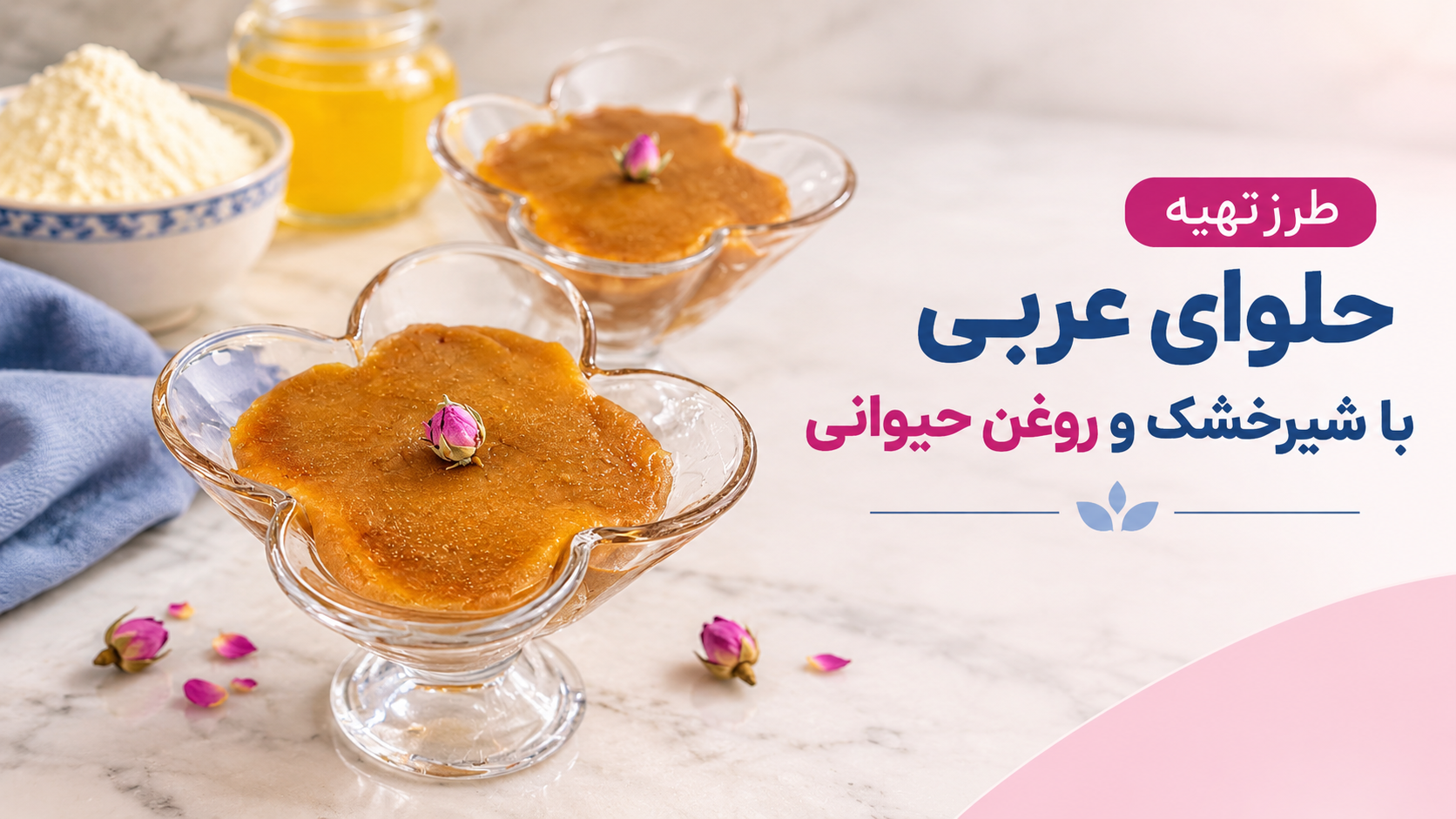
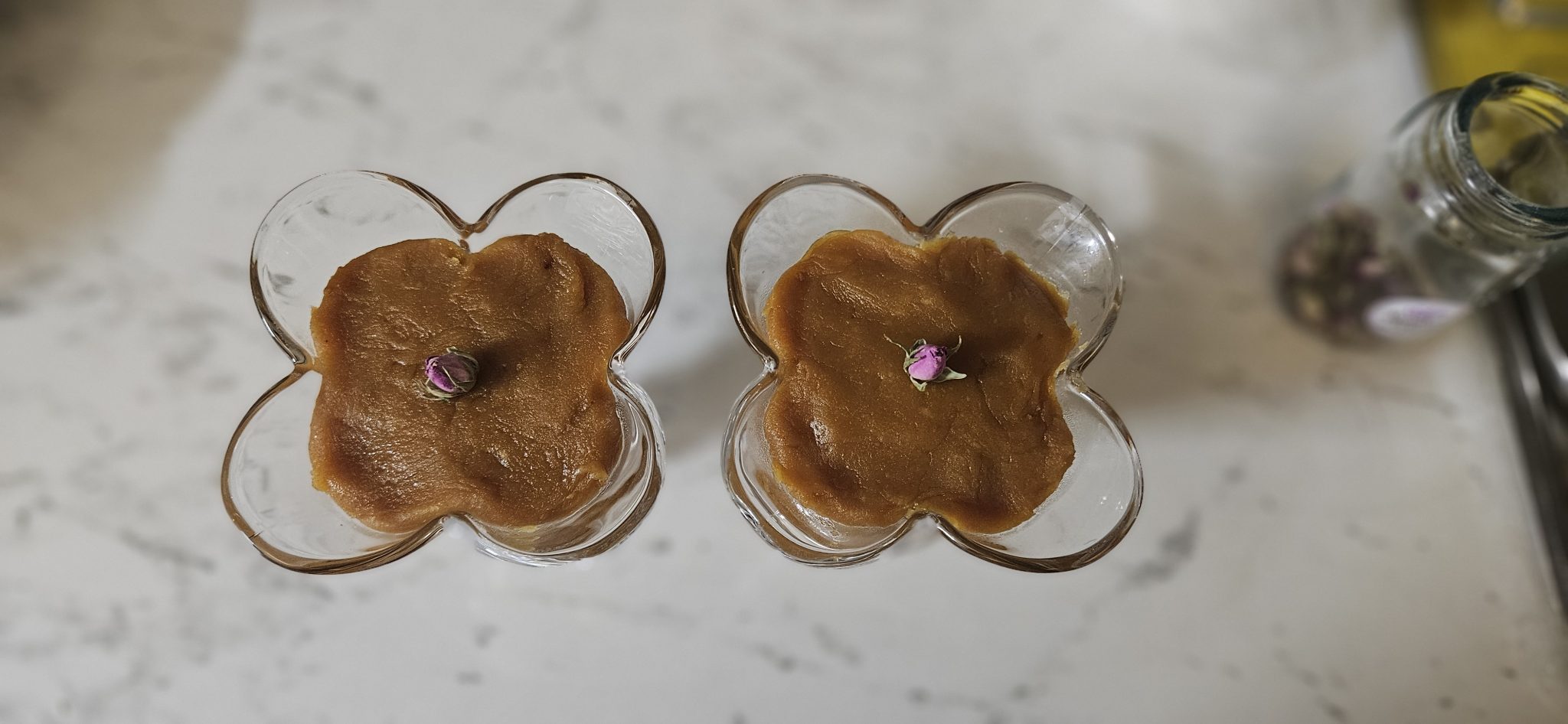
Arabic halva is a popular Middle Eastern sweet known for its soft, delicate texture, caramel color, and rich flavor. The combination of toasted flour, confectionery milk powder, ghee, saffron, and cardamom gives this dessert its distinctive aroma and taste, setting it apart from many traditional Iranian halva varieties.
One of the key ingredients in Arabic halva is confectionery milk powder. In addition to providing milk solids, it contributes to the dessert's desirable flavor and aroma. High-quality ghee, meanwhile, adds richness and enhances the overall flavor profile.
In this recipe, we explain how to prepare Arabic halva step by step using Zarrin Shad Confectionery Milk Powder and Zarrin Shad Ghee. By following these instructions, you can make halva with a toffee-like color, fragrant saffron and cardamom notes, and a texture suited to your preference.
Ingredients for Arabic Halva
You will need the following ingredients:
|
Ingredient |
Quantity |
|---|---|
|
Sugar |
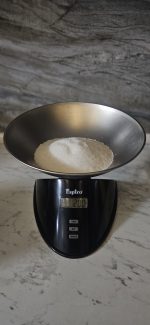
200 g or 2 cups |
|
Water |
200 g or 2 cups |
|
White flour (pastry flour) |
130 g or 1.5 cups |
|
Zarrin Shad Confectionery Milk Powder |
100 g or 1 cup |
|
Zarrin Shad Ghee |
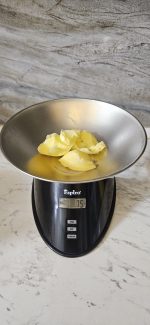
75 g or approximately ¾ cup |
|
Brewed saffron |
3–4 tablespoons |
|
Cardamom |
A few pods |
Choosing the right fat: The amount and type of fat can be adjusted depending on the season and the texture you want to achieve:
- In summer: Using 75 g of Zarrin Shad Ghee is recommended for a firmer, more cohesive texture.
- In winter: You can use a combination of 50 g Zarrin Shad Ghee and 25 g vegetable oil. This combination helps create a softer, glossier texture.
If you plan to shape the halva in a mold, using ghee alone is the better option.
How to Make Arabic Halva Step by Step
For best results, prepare the saffron syrup first, then move on to the flour, milk powder, and ghee mixture. Preparing these two components separately gives you better control over the halva's texture and consistency when combining them.
Step 1: Prepare the Saffron Syrup
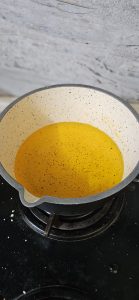
Pour the sugar and water into a suitable saucepan and place it over low heat. Allow the sugar to dissolve gradually.
The syrup should not come to a boil at this stage. The goal is simply to dissolve the sugar completely in the water. If the syrup reaches boiling point, turn off the heat to prevent excessive water evaporation, as this would change the sugar-to-water ratio.
Once the sugar has dissolved, add the brewed saffron and a few cardamom pods. Set the saucepan aside.
Tip: If the syrup cools down before you add it to the flour and milk powder mixture, you can warm it slightly. Just make sure it does not boil again or lose too much water through evaporation.
Step 2: Combine the Ghee, Flour, and Milk Powder
Place a suitable frying pan over very low heat. Add the Zarrin Shad Ghee and allow it to melt slowly.
Sift the white flour and add it to the melted ghee. Then sift the Zarrin Shad Confectionery Milk Powder and add it to the pan as well.
Stir continuously until the flour, milk powder, and ghee are thoroughly combined.
The mixture may initially become thick and paste-like. This is normal, so there is no need to add more oil. As you continue cooking, the mixture will gradually release some of its fat and its texture will begin to change.
Step 3: Toast the Mixture Until It Reaches a Caramel Color
This is one of the most important stages of making Arabic halva and requires careful attention.
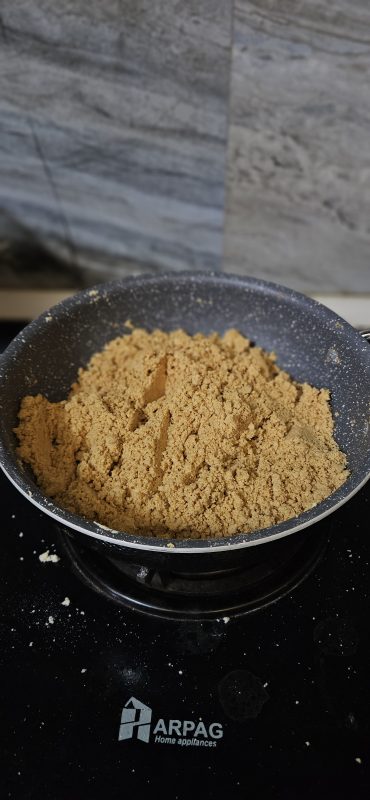
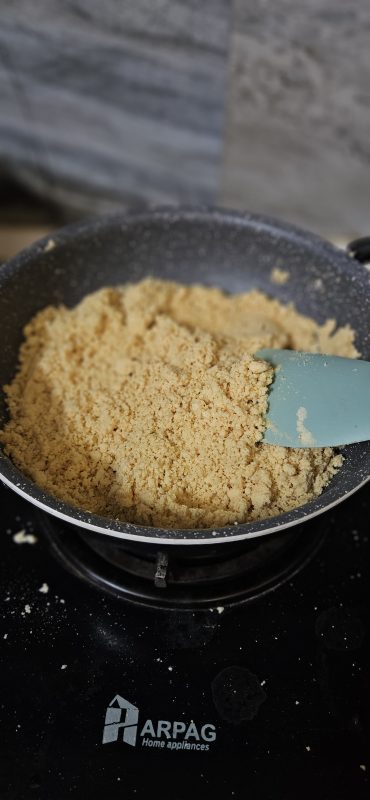
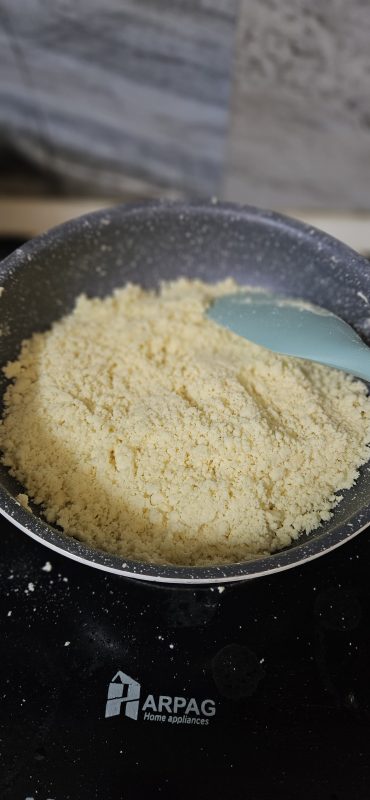
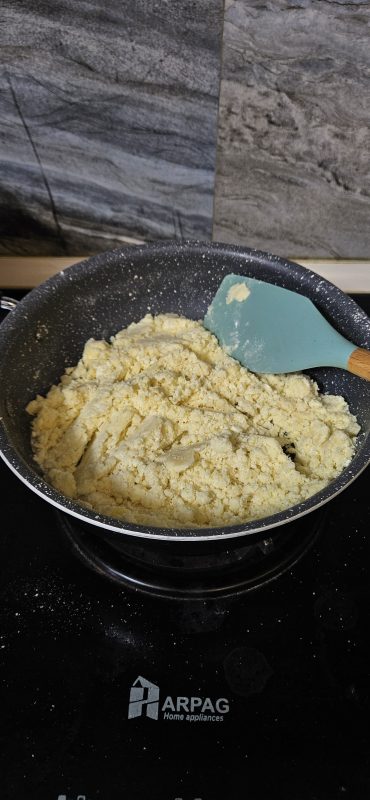
Toast the flour, milk powder, and ghee mixture over very low heat for approximately 30 minutes. Stir frequently throughout the process to distribute the heat evenly and prevent any part of the mixture from burning.
After about 20 minutes, the mixture will gradually begin to change color. As cooking continues, it will develop a deep golden, caramel-like shade.
The desired final color should resemble toffee rather than dark brown. Unlike some traditional Iranian halva recipes, Arabic halva should not be allowed to become too dark. Excessive heat can burn the ingredients and create an unpleasant flavor.
Tip for a smoother texture: If the mixture looks grainy toward the end of the toasting process, you can pass it through a sieve to remove larger particles and achieve a more uniform consistency.
Step 4: Add the Syrup and Finish the Halva
Once the flour and milk powder mixture has reached the desired caramel color, it is time to add the syrup.
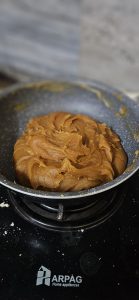
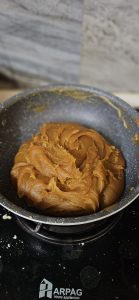
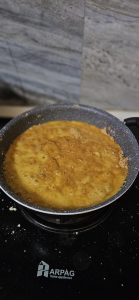
First, remove the cardamom pods from the syrup. Then pour the saffron syrup into the pan while stirring continuously, allowing it to combine thoroughly with the flour and milk powder mixture.
As the syrup is incorporated, the texture will change and the halva will gradually develop its final consistency.
Once all the ingredients are fully combined, your Arabic halva is ready to serve.
Important Tips for Making Smooth and Flavorful Arabic Halva
A few details during preparation can make a significant difference to the halva's color, aroma, and texture:
- Keep the heat very low: High heat can burn the flour and milk powder, negatively affecting the flavor.
- Stir frequently: Keep stirring throughout the toasting process to ensure the mixture develops an even color.
- Sift the flour and milk powder: This helps the ingredients combine more easily and reduces the risk of lumps.
- Do not boil the syrup: Prolonged boiling causes water to evaporate and changes the sugar-to-water ratio.
- Watch the color carefully: The finished mixture should have a caramel or toffee-like color, not a dark brown shade.
- Adjust the fat to your preferred texture: The ratio of ghee to vegetable oil can affect how soft or firm the halva becomes.
How to Make Soft or Moldable Arabic Halva
One of the advantages of this Arabic halva recipe is that you can adjust its final texture. Depending on whether you prefer a soft, delicate dessert or halva that holds its shape in a mold, you can modify the fat combination.
For a softer, glossier texture, particularly during winter, you can replace part of the Zarrin Shad Ghee with vegetable oil. The recommended combination for this recipe is 50 g of ghee and 25 g of vegetable oil.
However, if you want firmer halva that can be shaped in a mold, it is better to use the full amount of Zarrin Shad Ghee without adding vegetable oil.

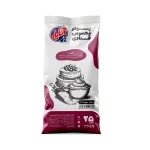
Why Is Confectionery Milk Powder Used in Arabic Halva?
Confectionery milk powder is one of the key ingredients in this recipe and plays an important role in developing the characteristic flavor and aroma of Arabic halva.
Its combination of protein, fat, and lactose provides milk solids and contributes to a richer flavor. During heating, lactose and milk proteins can also participate in browning reactions that help develop the halva's characteristic cooked and caramel-like flavor notes.
Zarrin Shad Sepahan Confectionery Milk Powder is formulated for use in confectionery and bakery applications. It is suitable for making a variety of products, including Arabic halva, pancakes, waffles, cookies, cakes, creams, and confectionery fillings.
How Ghee Enhances the Flavor of Arabic Halva
Fat is another important ingredient that influences the quality of Arabic halva. In addition to providing the fat required for the recipe, ghee gives the dessert a distinctive aroma and flavor. Combined with the dairy notes of milk powder, it creates a richer overall flavor profile.
Zarrin Shad Ghee is a suitable choice for this recipe, particularly when the aroma of ghee is intended to complement the saffron, cardamom, and caramelized ingredients.
Conclusion
Making smooth and flavorful Arabic halva depends on choosing the right ingredients and following the correct preparation sequence. Preparing the syrup separately, toasting the flour and milk powder over very low heat, achieving the right caramel color, and selecting the appropriate fat combination are among the most important steps.
Zarrin Shad Confectionery Milk Powder helps create a rich dairy flavor and desirable aroma, while Zarrin Shad Ghee adds its distinctive taste and fragrance to complete the recipe.
By following these steps, you can prepare Arabic halva with a toffee-like color, fragrant saffron and cardamom notes, and a soft or firm texture depending on how you plan to serve it.