Uncategorized

Regular Milk Powder vs. Confectionery Milk Powder: Comparing Skimmed, Whole Milk, and Confectionery Milk Powder

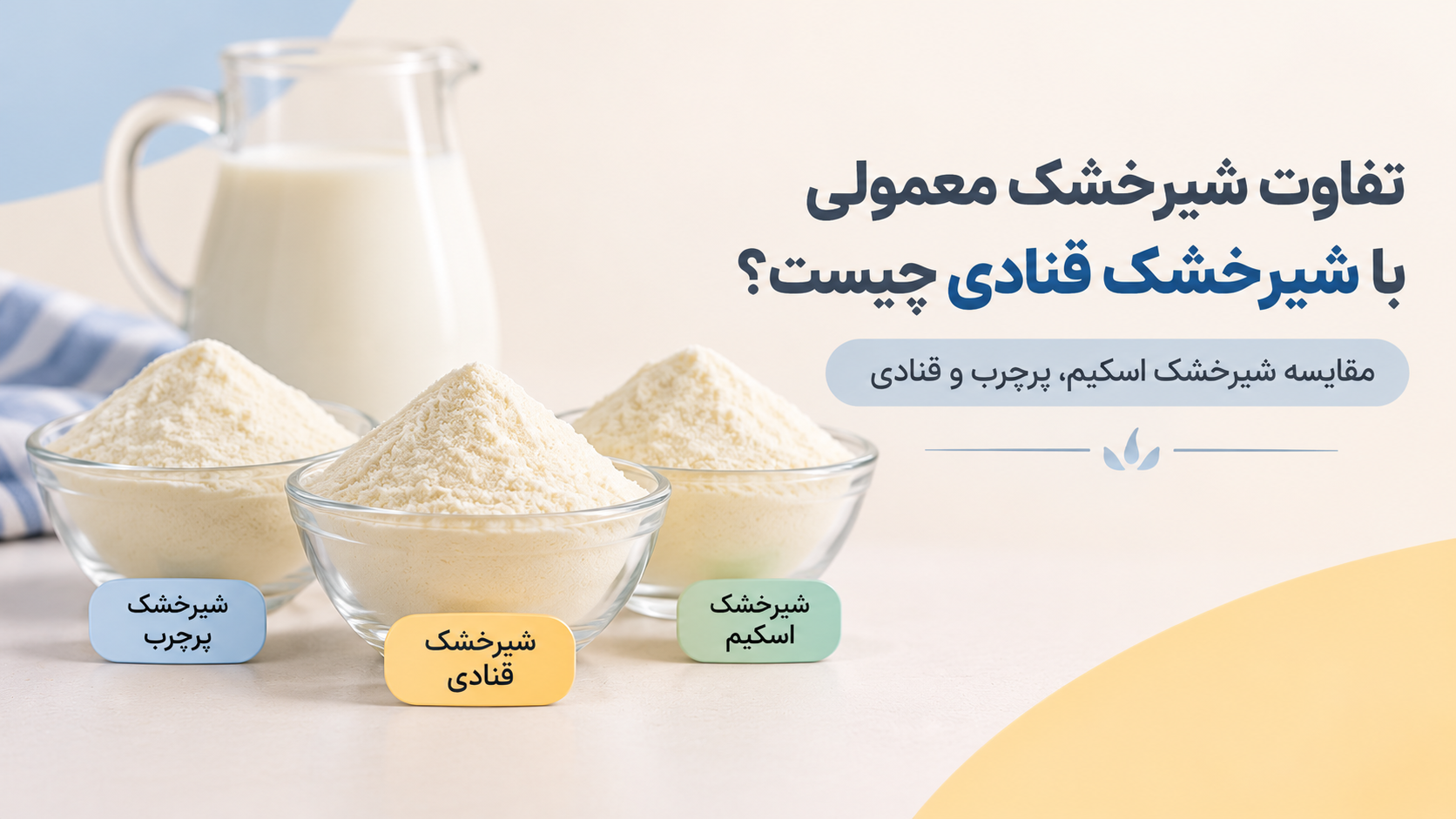
مقایسه شیرخشک قنادی، شیرخشک اسکیم و شیرخشک پرچرب

Milk powder is a widely used ingredient in the food manufacturing industry. Depending on its composition and functional properties, it serves different purposes in food formulations. However, not all types of milk powder perform the same way. Differences in protein, fat, and other components can directly affect the flavor, texture, and overall quality of the finished product.

For example, some formulations require additional milk solids and protein, while confectionery and bakery products often rely more on dairy ingredients to enhance flavor and aroma. That is why choosing between skimmed milk powder, whole milk powder, and confectionery milk powder should depend on the specific requirements of the final product.

In this article, we compare these three types of milk powder in terms of composition, characteristics, and industrial applications to help food manufacturers select the right dairy ingredient for their production needs.

Confectionery Milk Powder

What Is Confectionery Milk Powder?

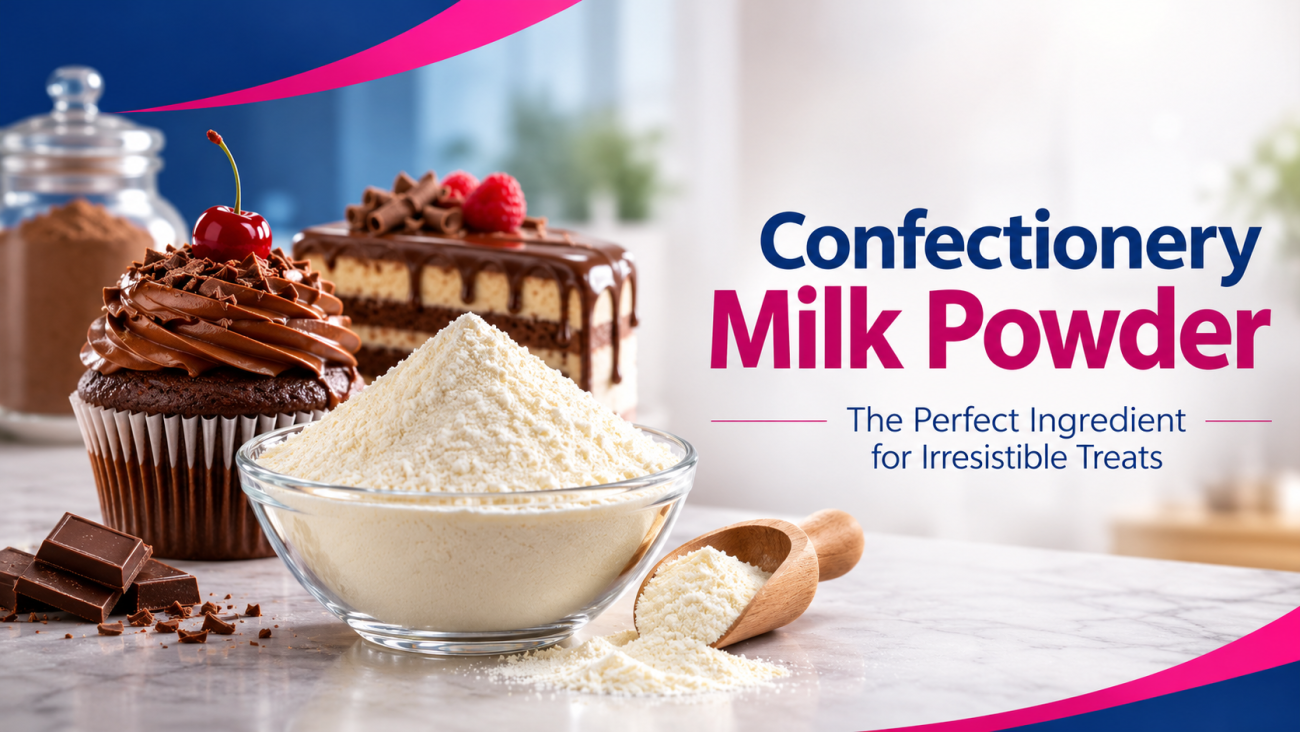
Confectionery milk powder is a specialized dairy ingredient formulated for use in the confectionery, chocolate, bakery, and food manufacturing industries. In addition to supplying milk solids to food formulations, its specific balance of fat and protein can help develop a desirable dairy flavor and aroma in finished products.

Unlike certain types of milk powder that are primarily used to increase protein content or total milk solids, confectionery milk powder is designed to balance nutritional and sensory properties.

Its fat and lactose content contribute to a richer dairy taste and help develop desirable aroma and color during heat processing. For this reason, confectionery milk powder is commonly used in products such as cakes, cookies, pancakes, waffles, confectionery creams, and various fillings.

What Is Skimmed Milk Powder and What Is It Used For?

Skimmed milk powder, also known as skim milk powder (SMP), is produced from low-fat or fat-free milk. Compared with whole milk powder, it contains significantly less fat and generally has a higher protein concentration.

The main advantage of skimmed milk powder is that it allows manufacturers to increase the total milk solids and protein content of a formulation without adding a significant amount of fat.

This is particularly useful for manufacturers who need to increase the solids content of their products while keeping the overall fat level relatively unchanged. For example, skimmed milk powder can be used as a source of milk solids and protein in the production of certain dairy products, confectionery, chocolate, and other food formulations.

Because it contains very little fat, its flavor is less rich and creamy than that of higher-fat milk powders. Therefore, when a manufacturer wants to enhance both the milk solids content and the dairy flavor of a product, this difference should be considered when selecting the appropriate ingredient.
What Is Whole Milk Powder?

Whole milk powder (WMP) is a type of milk powder that retains a substantial proportion of the natural fat found in milk. As a result, it has a flavor closer to that of whole milk and contributes significant amounts of fat to a formulation, along with protein and lactose.

This can be an advantage in products that require a richer dairy flavor and the functional properties of milk fat. However, whole milk powder may not be the best choice for formulations where the primary objective is to increase milk solids without significantly increasing the fat content.

For example, if a manufacturer wants to increase the total solids content of a product while keeping its fat level stable, whole milk powder may not be the most suitable option. Its relatively high fat content can alter the formulation balance and affect the texture of the finished product.

Confectionery Milk Powder vs. Skimmed Milk Powder vs. Whole Milk Powder

The main differences between these three products lie in their protein and fat content. These variations in composition make each type suitable for different applications in the food industry.

Specification

Confectionery Milk Powder

Skimmed Milk Powder

Whole Milk Powder

Protein

Max. 12%

Min. 34%

27 ± 2%

Fat

Max. 15%

Max. 1.5%

2% ± 27


Fat level

Moderate

Very low

High

Flavor profile

Desirable, richer dairy flavor

Lighter, less creamy flavor

Rich whole milk flavor

Main function in formulations

Enhances flavor and supplies milk solid

Increases milk solids and protei

Supplies milk solids along with milk fat

Typical applications

Confectionery, chocolate, and bakery products

Formulations requiring higher solids content

Products requiring milk fat and a rich dairy flavor

1. Differences in Protein Content

With a minimum protein content of 34%, skimmed milk powder provides more protein than confectionery milk powder and whole milk powder. It is therefore a suitable choice when the main objective is to increase the protein and milk solids content of a formulation.

In comparison, confectionery milk powder contains a maximum of 12% protein and is designed for applications where sensory properties, such as flavor and aroma, are important alongside the supply of milk solids.

Whole milk powder, with a protein content of approximately 25% to 29%, contributes a different balance of protein and fat to the finished product.

2. Differences in Fat Content

Fat is one of the key factors influencing the flavor and texture of food products. With a maximum fat content of 1.5%, skimmed milk powder allows manufacturers to increase milk solids without adding a significant amount of fat.

Confectionery milk powder, with a maximum fat content of 15%, offers a different balance between milk solids and fat. It can contribute to the overall solids content while also enhancing the richness of the finished product's flavor.

By comparison, whole milk powder contains approximately 27% fat. Its use in formulations where fat levels need to be carefully controlled therefore requires precise calculations. Adding more fat than intended can affect the texture and other quality characteristics of the final product.

3. Differences in Flavor and Applications

The differences in composition between these products affect more than just their nutritional profiles. They also influence the sensory characteristics of finished foods.

Due to its very low fat content, skimmed milk powder does not provide the same rich, creamy dairy flavor as higher-fat milk powders. It is primarily used when the goal is to increase protein and milk solids.

Whole milk powder has a flavor profile closer to that of whole milk. However, its high fat content may limit its suitability for certain formulations.

Confectionery milk powder offers a different balance of protein and fat, making it suitable for applications where both milk solids and the flavor and aroma of the finished product matter. This is why it is a practical choice for many confectionery, chocolate, and bakery formulations.

Which Type of Milk Powder Is Best for Confectionery and Bakery Products?

The right type of milk powder depends on your production goals and the characteristics you expect from the finished product. No single type of milk powder is suitable for every formulation.

Confectionery Milk Powder: If your goal is to enhance dairy flavor and aroma, achieve desirable sensory characteristics, and supply milk solids to your formulation, confectionery milk powder is a suitable option. It is used in the production of pancakes, waffles, cakes, cookies, cocoa cream, wafer cream, and various fillings.

Skimmed Milk Powder: If you need to increase the protein and total solids content of your formulation without adding a significant amount of fat, skimmed milk powder is generally the more suitable choice. It is widely used in formulations where controlling fat content is important.

Whole Milk Powder: If your product requires a rich whole milk flavor and a higher level of dairy fat, whole milk powder may be the right option. However, its fat content must be included in formulation calculations to prevent unwanted changes to the texture and quality of the finished product.

What to Consider When Buying Industrial Milk Powder

Choosing an industrial milk powder based on its product name alone is not enough. Food manufacturers should compare its technical specifications and composition with the requirements of their production processes.

The key factors to consider include:

  • Protein Content: Determines how much protein the milk powder contributes to the formulation.
  • Fat Content: Influences the flavor, texture, and final fat level of the finished product.
  • Intended Application: Clarify whether the milk powder is needed to increase total milk solids, enhance flavor, or supply dairy fat.
  • Type of Finished Product: Cakes, chocolate, creams, biscuits, and dairy products have different formulation requirements.
  • Consistent Quality and Technical Specifications: Consistency in raw material quality is essential for reliable industrial production.


CONTACT US

Buy Confectionery, Skimmed, and Whole Milk Powder from Zarrin Shad Sepahan

Zarrin Shad Sepahan manufactures and supplies a range of industrial milk powders to meet the dairy ingredient requirements of food manufacturers.

Confectionery milk powder, skimmed milk powder, and whole milk powder each have distinct compositions and are suited to specific applications in food formulations. Understanding their differences helps manufacturers make more informed purchasing decisions based on protein and fat content, as well as the desired characteristics of their finished products.

For technical information, product specifications, and bulk purchasing inquiries for industrial milk powder, contact the Zarrin Shad Sepahan team.

Choosing the right milk powder is more than selecting a raw material. It is an important part of controlling the flavor, texture, and quality of your finished product.

Leave a Reply

Your email address will not be published. Required fields are marked *